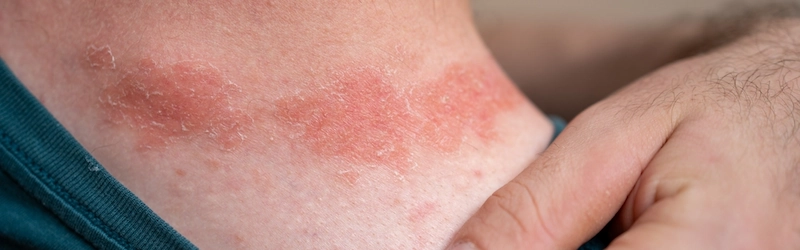
Noticing sudden patches of dry, irritated, or flaky skin can cause considerable concern, especially when the affected areas become intensely itchy or uncomfortable. When unfamiliar cutaneous changes appear, patients frequently ask what does eczema look like to distinguish chronic inflammatory conditions from everyday allergic reactions or brief surface irritations. In medical dermatology, eczema encompasses a group of non contagious inflammatory disorders, most notably atopic dermatitis, that alter the physical appearance and structural integrity of the epidermis. The visual presentation of eczema can vary substantially depending on a person age, skin tone, disease chronicity, and the specific stage of inflammation.
To better understand these distinctive visual symptoms, it is helpful to explore what is skin rash in a broader clinical context. In general medicine, a rash is an umbrella term describing any noticeable alteration in the color, texture, or cellular integrity of the skin. Eczema represents a specific form of chronic immune mediated rash characterized by microscopic spongiosis, where extracellular fluid accumulates between epidermal cells. During an acute flare up, this process presents visibly as swollen, red or violaceous patches accompanied by tiny fluid filled vesicles that can weep, ooze, and form delicate crusts. As inflammation becomes subacute or chronic, the weeping subsides into dry, scaling plaques and marked skin roughness.
The visual appearance of eczema changes significantly across different complexions and anatomical sites. On lighter skin tones, active lesions typically present as bright red or pink patches accompanied by visible excoriations and swelling. On deeper melanin rich skin tones, inflammation often manifests as purple, grayish brown, or dark brown patches, which can be misdiagnosed or overlooked if clinicians look only for erythema. Furthermore, chronic inflammation in deeper skin tones frequently leads to post inflammatory hyperpigmentation or hypopigmentation, leaving long lasting dark or light marks even after the flare up resolves. Distribution also changes across the lifespan, appearing primarily on the face, scalp, and outer limbs of infants, while favoring the flexural folds of the elbows, behind the knees, the neck, and the hands in adolescents and adults.
When inflammatory flare ups persist over long periods, constant scratching triggers a defensive physical response known as lichenification, where the skin becomes leathery, thick, and marked by exaggerated surface creases. Managing these severe presentations requires a consistent clinical approach that moves beyond basic surface moisturizers. For individuals experiencing moderate to severe eczema that resists traditional topical corticosteroids, dermatologists often prescribe targeted systemic treatments such as Dupixent, known generically as dupilumab. By selectively blocking the interleukin four and interleukin thirteen inflammatory pathways, this biologic medication calms the underlying immune hyperactivity, relieving severe itching and allowing the skin barrier to clear and rebuild its natural defensive architecture.
Eczema presents as dry, itchy, scaly plaques ranging in color from red to violet or dark brown based on skin tone and inflammation stage. Consulting your healthcare provider ensures your symptoms are properly evaluated to rule out secondary bacterial infections and create a targeted care plan. As a trusted online platform, Canada Drugs Direct delivers authentic health products directly to your door, with dedicated specialists reviewing every order for safety, clinical accuracy, and complete peace of mind.
 Exceptional Customer Service
We pride ourselves on delivering excellent customer service with as much accessibility as possible.
If you have any questions at all, or would like to place an order, you are encouraged to contact us by toll-free
phone 1-888-904-8467 or email info@canadadrugsdirect.com.
 Top Safety and Quality
Canada Drugs Direct employs dedicated, professional licensed pharmacists to ensure that each and every order is reviewed before it is dispensed for the safety and health of our customers. At CanadaDrugsDirect.com, your health is our top priority.