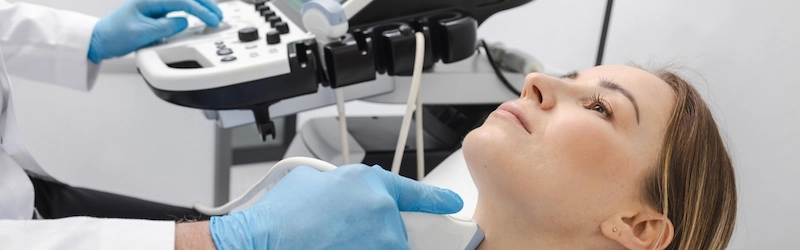
If you take levothyroxine every day, you may wonder what would happen if you stopped, especially if you feel well or are concerned about side effects. Can you die if you stop taking levothyroxine? Rarely, stopping treatment can contribute to severe, potentially life-threatening hypothyroidism. However, stopping levothyroxine does not usually cause sudden death.
The greatest concern is severe untreated hypothyroidism that progresses to myxedema coma, a rare medical emergency. The American Thyroid Association notes that myxedema coma can occur in people with untreated or undertreated hypothyroidism, including people who have run out of thyroid hormone medication.
Levothyroxine replaces thyroxine, or T4, a hormone normally produced by the thyroid gland. Thyroid hormones help regulate energy use and support normal function of the heart, brain, muscles, digestive system, and other organs.
For many people with hypothyroidism, levothyroxine is long-term or lifelong treatment. MedlinePlus advises patients not to stop taking levothyroxine without first speaking with their healthcare provider.
Stopping treatment may allow hypothyroidism to return or worsen. Possible symptoms include fatigue, feeling unusually cold, constipation, dry skin, depression, slowed thinking, and weight gain. Severe untreated hypothyroidism can affect breathing, heart function, body temperature, and mental alertness. Myxedema coma is rare, but it requires emergency hospital treatment and can be fatal.
Levothyroxine also remains in the body for several days. Official prescribing information lists a typical T4 half-life of about six to seven days in people with normal thyroid function, so the effects of stopping treatment generally develop over time rather than disappearing immediately.
The effects of stopping levothyroxine depend on why you take it, your thyroid function, your prescribed dose, and how long treatment is interrupted. Untreated hypothyroidism may contribute to high LDL cholesterol and heart problems, and symptoms may become more noticeable as thyroid hormone levels fall.
Seek emergency medical attention for severe symptoms such as significant confusion, extreme drowsiness or unresponsiveness, difficulty breathing, or an unusually low body temperature. These may be signs of a severe hypothyroid crisis.
For more patient information, see the MedlinePlus levothyroxine guide and the American Thyroid Association hypothyroidism guide.
If you are wondering does levothyroxine cause weight gain, the relationship is more complicated than the medication itself causing extra weight.
Hypothyroidism can cause some weight gain because an underactive thyroid affects how the body uses energy and can lead to salt and water retention. Treating hypothyroidism with the appropriate amount of levothyroxine helps restore thyroid hormone levels toward the normal range. The American Thyroid Association explains that once hypothyroidism is properly treated, a person's ability to gain or lose weight is generally similar to that of someone without a thyroid disorder.
If you notice significant or unexplained weight changes while taking levothyroxine, speak with your healthcare provider. Your thyroid levels, medication dose, diet, activity level, other medications, and health conditions may all need to be considered.
Levothyroxine should not be taken in larger doses for weight loss. U.S. prescribing information warns that excessive thyroid hormone doses can cause serious or potentially life-threatening effects.
Do not stop or change a prescribed levothyroxine dose on your own. If you are experiencing side effects, having trouble taking your medication consistently, or questioning whether you still need treatment, your healthcare provider can review your symptoms and thyroid blood tests and determine the appropriate next steps.
If your healthcare provider has prescribed brand-name Synthroid, Canada Drugs Direct provides online ordering and doorstep delivery for U.S. customers. Medication availability and pricing can vary, and a valid prescription is required where applicable.
Levothyroxine plays an important role in maintaining normal thyroid hormone levels for many people with hypothyroidism. Serious complications from untreated hypothyroidism are uncommon, but they can occur, which is why treatment changes should be made with medical guidance.
Severe, prolonged, or inadequately treated hypothyroidism can rarely progress to myxedema coma. This is a medical emergency that requires hospital treatment.
There is no single safe amount of time that applies to everyone. The risk depends on your underlying thyroid condition, dose, health, and reason for treatment. Do not intentionally stop levothyroxine without speaking with your healthcare provider.
Levothyroxine is not generally expected to cause weight gain when thyroid hormone levels are appropriately controlled. Hypothyroidism itself can contribute to weight gain. If your weight changes significantly during treatment, discuss it with your healthcare provider.
Follow the instructions provided with your prescription. If you are unsure what to do after a missed dose, contact your pharmacist or healthcare provider rather than changing your dosing schedule on your own.
 Exceptional Customer Service
We pride ourselves on delivering excellent customer service with as much accessibility as possible.
If you have any questions at all, or would like to place an order, you are encouraged to contact us by toll-free
phone 1-888-904-8467 or email info@canadadrugsdirect.com.
Exceptional Customer Service
We pride ourselves on delivering excellent customer service with as much accessibility as possible.
If you have any questions at all, or would like to place an order, you are encouraged to contact us by toll-free
phone 1-888-904-8467 or email info@canadadrugsdirect.com.
 Top Safety and Quality
Canada Drugs Direct employs dedicated, professional licensed pharmacists to ensure that each and every order is reviewed before it is dispensed for the safety and health of our customers. At CanadaDrugsDirect.com, your health is our top priority.
Top Safety and Quality
Canada Drugs Direct employs dedicated, professional licensed pharmacists to ensure that each and every order is reviewed before it is dispensed for the safety and health of our customers. At CanadaDrugsDirect.com, your health is our top priority.