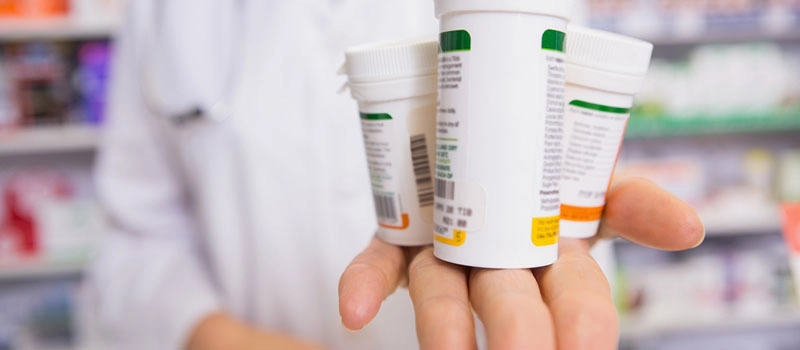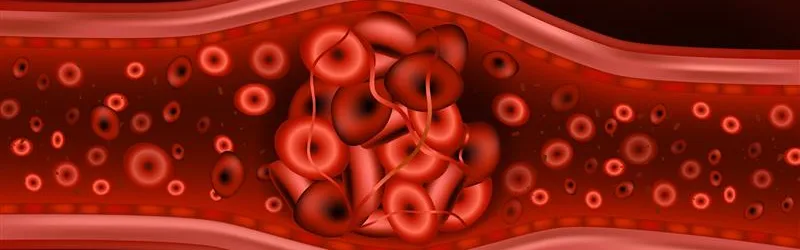
If you’ve been prescribed Eliquis, you may wonder why it must be taken twice daily instead of once a day like some other blood thinners. This dosing schedule is intentional and plays a critical role in how the medication works to prevent dangerous blood clots. Understanding why Eliquis is taken twice a day can help you use it safely and reduce the risk of complications.
Did you know you can buy Eliquis from Canada and save up to 80% compared to local pharmacies in USA? Check our prices and availability now.
Eliquis is a prescription anticoagulant, also known as a blood thinner. It works by inhibiting factor Xa, an important protein involved in the blood clotting process. By reducing the activity of factor Xa, Eliquis helps prevent clots from forming in blood vessels. Eliquis is commonly prescribed to reduce the risk of stroke in people with atrial fibrillation, treat deep vein thrombosis, treat pulmonary embolism, and prevent clots after certain surgeries.
Eliquis is taken twice a day to maintain consistent blood-thinning effects throughout the day and night.
How Eliquis Is Metabolized in the Body
Eliquis is absorbed relatively quickly and has a moderate half-life of about 12 hours. This means that after roughly 12 hours, the amount of medication in your bloodstream is reduced by half. Taking Eliquis twice daily helps maintain stable levels of the drug in the body.
Maintaining Consistent Blood Thinner Levels
Blood clots can form at any time, not just during the day. By taking Eliquis every 12 hours, the medication provides continuous protection against clot formation, reducing peaks and valleys in blood-thinning activity.
Why Once-Daily Dosing Is Not Recommended
If Eliquis were taken only once a day, drug levels could drop too low before the next dose. This gap may increase the risk of blood clots, stroke, or other serious complications.
Taking Eliquis once a day instead of twice can reduce its effectiveness. When blood levels fall below the therapeutic range, the medication may not provide adequate protection against clot formation. Missing doses or taking Eliquis incorrectly can significantly increase the risk of stroke, deep vein thrombosis, or pulmonary embolism.
Eliquis generally remains active in the body for about 24 hours, but its strongest protective effect occurs within the first 12 hours after dosing. This is why spacing doses evenly throughout the day is essential for optimal clot prevention.
If you miss a dose of Eliquis, take it as soon as you remember on the same day. Then resume your normal dosing schedule. Do not double up on doses to make up for a missed one, as taking too much Eliquis at once can increase the risk of bleeding.
Changing your Eliquis dose without medical guidance can be dangerous. Taking less than prescribed increases clotting risk, while taking more increases bleeding risk. Any dose changes, including switching to once-daily use, should only be done under a doctor’s supervision.
Special Considerations for Certain Populations
Some patients may require closer monitoring or adjusted dosing.
Older Adults
Older adults may be more sensitive to blood thinners and have a higher risk of bleeding. Proper twice-daily dosing helps balance safety and effectiveness.
People With Kidney or Liver Conditions
Kidney and liver function can affect how Eliquis is processed in the body. In some cases, dose adjustments may be necessary, but twice-daily dosing is still commonly used.
Patients at Higher Risk of Bleeding
Patients with a history of bleeding disorders or gastrointestinal bleeding require careful medical evaluation when taking Eliquis.
Eliquis Use Before Surgery or Medical Procedures
Before surgery or invasive procedures, Eliquis may need to be temporarily stopped to reduce bleeding risk. The timing of stopping and restarting the medication depends on the procedure and individual health factors and should always be guided by a healthcare provider.
Switching From Eliquis to Another Blood Thinner
If you need to switch from Eliquis to another anticoagulant, proper timing is essential to prevent clotting or bleeding. Doctors carefully coordinate transitions to maintain continuous protection.
Tips to Stay on Track With Your Eliquis Dosing Schedule
Taking Eliquis at the same times each day, using phone reminders or pill organizers, pairing doses with daily routines, and keeping a medication log can help maintain consistency and effectiveness.
Can Eliquis ever be taken once a day?
For most patients, Eliquis is prescribed twice daily. Once-daily dosing is generally not recommended due to reduced effectiveness.
Is taking Eliquis twice a day safer?
Yes. Twice-daily dosing helps maintain stable blood levels, reducing the risk of clots and bleeding complications.
What happens if I accidentally take an extra dose?
Taking an extra dose increases the risk of bleeding. Contact your healthcare provider immediately if this occurs.
When to Talk to Your Doctor About Eliquis Dosing
You should speak with your doctor if you experience unusual bleeding, miss multiple doses, have upcoming surgery, or have concerns about your dosing schedule.
Eliquis is taken twice a day to ensure consistent, around-the-clock protection against blood clots. This dosing schedule is based on how the drug is absorbed and processed in the body. Taking Eliquis exactly as prescribed is essential for reducing the risk of serious complications such as stroke or pulmonary embolism.
 Exceptional Customer Service
We pride ourselves on delivering excellent customer service with as much accessibility as possible.
If you have any questions at all, or would like to place an order, you are encouraged to contact us by toll-free
phone 1-888-904-8467 or email info@canadadrugsdirect.com.
Exceptional Customer Service
We pride ourselves on delivering excellent customer service with as much accessibility as possible.
If you have any questions at all, or would like to place an order, you are encouraged to contact us by toll-free
phone 1-888-904-8467 or email info@canadadrugsdirect.com.
 Top Safety and Quality
Canada Drugs Direct employs dedicated, professional licensed pharmacists to ensure that each and every order is reviewed before it is dispensed for the safety and health of our customers. At CanadaDrugsDirect.com, your health is our top priority.
Top Safety and Quality
Canada Drugs Direct employs dedicated, professional licensed pharmacists to ensure that each and every order is reviewed before it is dispensed for the safety and health of our customers. At CanadaDrugsDirect.com, your health is our top priority.