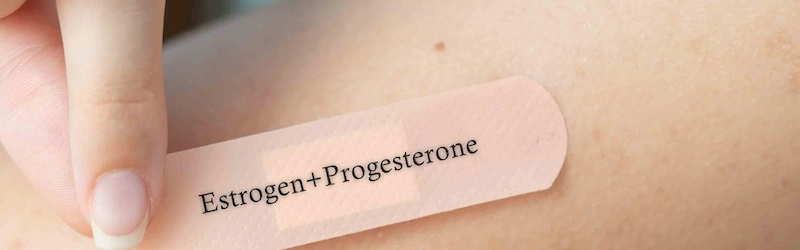
Transdermal estrogen replacement delivers steady hormone levels directly into the bloodstream to relieve perimenopausal and postmenopausal symptoms. For optimal absorption and skin protection, knowing where to place estradiol patch correctly is essential. Apply the patch to clean, dry, hairless skin on the lower abdomen, upper buttocks, or hip below the waistline, choosing flat areas to minimize friction from clothing.
While patches address systemic issues like hot flashes and night sweats, localized symptoms like vaginal dryness and discomfort often respond best to estradiol vaginal inserts. These targeted therapies supply estrogen directly to pelvic tissues with minimal systemic absorption, making them a practical standalone or complementary option for genitourinary symptoms under a doctor's guidance.
Achieving consistent hormone absorption and keeping your skin healthy requires following proper application protocols each time you change your transdermal patch. When applying a new patch, select a slightly different spot within the recommended lower abdomen or buttock region to avoid reusing the exact same site within a one week period. Rotating application sites allows the skin barrier to recover, reducing the risk of localized redness, itching, or contact irritation.
Knowing where not to apply the patch is just as important as identifying correct placement sites. You should never apply an estradiol patch to the breasts or chest area, as localized estrogen exposure in breast tissue can increase tissue proliferation and potential safety risks. Additionally, avoid placing the patch over broken, irritated, or freshly shaved skin, or over waistlines where tight clothing might rub it loose. The application site must be free of body lotions, oils, powders, or creams, as surface residues prevent the adhesive from bonding firmly to the skin.
Keeping a transdermal estradiol patch in place during daily activities like showering, swimming, or exercising requires simple preparation steps. Press the patch firmly against clean, dry skin using the palm of your hand for at least ten seconds, paying special attention to the edges to ensure a complete seal. Most modern transdermal systems, such as Estraderm Patch formulations, are water resistant and designed to stay attached during bathing and exercise. However, avoiding excessive scrubbing around the patch area and gently patting the skin dry with a towel after swimming helps maintain the adhesive seal.
If a patch accidentally loosens or falls off before your scheduled change day, attempt to press it back into place on a clean area of skin. If it no longer sticks securely, discard it and apply a fresh patch to a new site, continuing with your original scheduled replacement day. Always consult your prescribing physician or pharmacist if you experience persistent skin reactions or if patches consistently fail to adhere to your skin.
Applying your estradiol patch correctly and rotating application sites ensures steady absorption and skin comfort. Pairing patches with localized estradiol vaginal inserts offers complete menopausal relief under medical care. Canada Drugs Direct provides authentic prescription medications delivered safely to your door, backed by certified specialist review for total peace of mind.
 Exceptional Customer Service
We pride ourselves on delivering excellent customer service with as much accessibility as possible.
If you have any questions at all, or would like to place an order, you are encouraged to contact us by toll-free
phone 1-888-904-8467 or email info@canadadrugsdirect.com.
Exceptional Customer Service
We pride ourselves on delivering excellent customer service with as much accessibility as possible.
If you have any questions at all, or would like to place an order, you are encouraged to contact us by toll-free
phone 1-888-904-8467 or email info@canadadrugsdirect.com.
 Top Safety and Quality
Canada Drugs Direct employs dedicated, professional licensed pharmacists to ensure that each and every order is reviewed before it is dispensed for the safety and health of our customers. At CanadaDrugsDirect.com, your health is our top priority.
Top Safety and Quality
Canada Drugs Direct employs dedicated, professional licensed pharmacists to ensure that each and every order is reviewed before it is dispensed for the safety and health of our customers. At CanadaDrugsDirect.com, your health is our top priority.