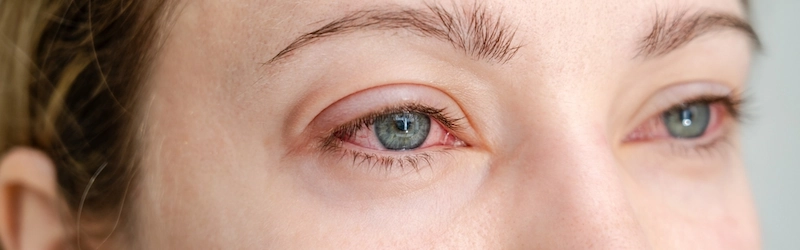
Itchy eyes can make it hard to read, drive, sleep, or get through a workday without rubbing your eyes. Many people assume the cause is allergies, and that is often true. Still, itchy eyes can also come from dry eye disease, infection, chemical irritation, smoke, contact lens issues, or inflammation of the eye surface. MedlinePlus lists allergies, infections, chemical irritants, dry eyes, and airborne irritants such as smoke or smog as possible causes of burning, itching, and eye discharge.
The short answer is that what causes itchy eyes depends on your symptoms, triggers, and whether one or both eyes are affected. Mild itching may improve with artificial tears, cool compresses, or avoiding triggers. Persistent, painful, or vision-related symptoms should be assessed by an eye care professional.
Yes. Allergies can cause itchy eyes. Allergic conjunctivitis happens when the conjunctiva, the clear tissue lining the eyelids and covering the white of the eye, becomes swollen or inflamed after exposure to allergens such as pollen, dust mites, pet dander, or mold. When this happens, histamine is released, and the eyes can become red, itchy, and watery quickly.
Allergy-related eye symptoms may be seasonal, especially when pollen counts are high. They may include intense itching, burning, puffy eyelids, red eyes, stringy discharge, and tearing. Avoiding triggers, using lubricating drops, applying cool compresses, and using antihistamine eye drops when appropriate may help.
Dry eye disease is a common cause of eye discomfort, and it can sometimes feel itchy, gritty, or irritated. Dry eyes happen when tears do not provide enough lubrication. This may occur because the eyes do not make enough tears or because the tears are unstable or poor quality. Mayo Clinic notes that dry eye may cause stinging, burning, scratchiness, redness, watery eyes, blurred vision, eye fatigue, and the feeling that something is in the eye.
Infection is another possibility. Conjunctivitis, often called pink eye, can happen when the conjunctiva becomes inflamed due to infection, irritants, dry eyes, or allergy. Symptoms may include redness, tearing, itching, gritty feeling, crusting, eye pain, blurred vision, and light sensitivity. Treatment depends on the cause, so bacterial, viral, allergic, and irritant-related symptoms should not be treated the same way without proper guidance.
Irritation can also come from chlorine, cosmetics, smoke, dust, wind, air conditioning, or overuse of contact lenses. If symptoms started after a new makeup product, cleaning solution, pool exposure, or contact lens change, that clue may help your provider narrow the cause.
For people with chronic dry eye disease, artificial tears and lifestyle changes may not be enough. Canada Drugs Direct lists Restasis, or cyclosporine ophthalmic emulsion, as a prescription product used to increase tear production in people with dry eye disease. The product page explains that it is an immunomodulator and works by decreasing swelling in the eye to help allow tear production.
The official Restasis label states that it is indicated to increase tear production in patients whose tear production is presumed to be suppressed due to ocular inflammation associated with keratoconjunctivitis sicca, a medical term often linked with dry eye disease. Restasis is used as one drop in each eye twice daily, about 12 hours apart, and lubricant drops may be used with a 15-minute interval between products.
Restasis is not an allergy medicine or an infection treatment. Your healthcare provider can help determine whether itching is due to dry eye disease, allergy, infection, or another cause.
Side effects are possible with Restasis. The most common adverse reaction in clinical trials was ocular burning. Other reported reactions included eye redness, discharge, tearing, eye pain, foreign body sensation, itching, stinging, and visual disturbance, most often blurring.
Cautions are separate from routine side effects. Restasis should not be used by people with known or suspected hypersensitivity to its ingredients. The vial tip should not touch the eye or other surfaces, because this may lead to eye injury or contamination. Restasis should not be administered while wearing contact lenses. If contacts are worn, they should be removed before use and may be reinserted 15 minutes after using the medication.
Contact a healthcare provider if discharge is thick, greenish, or pus-like, or if you have excessive eye pain, light sensitivity, decreased vision, or increased eyelid swelling. Also call your provider if allergy symptoms do not respond to self-care or over-the-counter treatment, your vision is affected, eye pain worsens, or swelling and redness develop around the eyes.
If your provider prescribes Restasis, Canada Drugs Direct may help eligible customers find prices up to 80% lower than typical U.S. prices, depending on the medication and availability. Orders are reviewed by licensed pharmacists, and patients can compare brand and generic options through the Restasis product page.
Itchy eyes can be minor, but they can also signal a condition that needs care. Avoid rubbing your eyes, follow your provider’s instructions, and speak with a licensed healthcare professional before starting, stopping, or changing any eye medication.
Yes. Allergic conjunctivitis can cause red, itchy, watery eyes after exposure to triggers such as pollen, dust mites, pet dander, or mold.
Possible causes include dry eye disease, conjunctivitis, chemical irritants, smoke, smog, cosmetics, chlorine, dust, and contact lens irritation.
Restasis is used to increase tear production in certain patients with dry eye disease related to eye surface inflammation. It is not specifically an allergy or infection treatment.
Seek medical advice if symptoms include thick or pus-like discharge, significant eye pain, light sensitivity, reduced vision, eyelid swelling, or symptoms that do not improve with basic care.
 Exceptional Customer Service
We pride ourselves on delivering excellent customer service with as much accessibility as possible.
If you have any questions at all, or would like to place an order, you are encouraged to contact us by toll-free
phone 1-888-904-8467 or email info@canadadrugsdirect.com.
Exceptional Customer Service
We pride ourselves on delivering excellent customer service with as much accessibility as possible.
If you have any questions at all, or would like to place an order, you are encouraged to contact us by toll-free
phone 1-888-904-8467 or email info@canadadrugsdirect.com.
 Top Safety and Quality
Canada Drugs Direct employs dedicated, professional licensed pharmacists to ensure that each and every order is reviewed before it is dispensed for the safety and health of our customers. At CanadaDrugsDirect.com, your health is our top priority.
Top Safety and Quality
Canada Drugs Direct employs dedicated, professional licensed pharmacists to ensure that each and every order is reviewed before it is dispensed for the safety and health of our customers. At CanadaDrugsDirect.com, your health is our top priority.