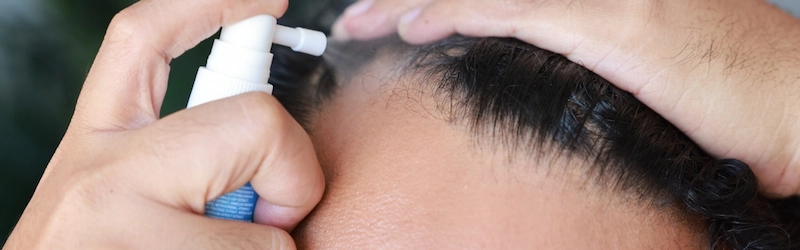
Comparing hair loss treatments often leads patients to ask is oral minoxidil better than topical and how systemic delivery differs from localized application. While topical solutions and foams remain a standard approach, low dose oral minoxidil has become a widely used alternative in clinical dermatology. Oral therapy avoids daily scalp application and relies on liver enzymes to activate the drug, providing consistent systemic stimulation to hair follicles.
Patients also frequently ask is minoxidil over the counter or if a prescription is needed. Availability depends directly on the chosen formulation. Topical liquids and foams are sold over the counter for easy access. In contrast, oral minoxidil, originally developed as a blood pressure medication under brand names like Loniten, is a systemic prescription drug requiring formal evaluation and supervision from a licensed healthcare provider.
Evaluating whether oral minoxidil is superior to topical solutions requires weighing convenience, efficacy, and individual scalp characteristics. Topical minoxidil requires consistent application to the scalp twice daily, which some users find messy or challenging to maintain long term. Furthermore, topical effectiveness depends on the presence of the sulfotransferase enzyme in the scalp's hair follicles to convert minoxidil into its active metabolite. Individuals with lower natural levels of this scalp enzyme may experience limited results from topical applications alone.
Oral minoxidil offers an attractive alternative by delivering consistent systemic absorption through oral ingestion, where the liver efficiently metabolizes the medication regardless of local scalp enzyme activity. Clinical studies indicate that low dose oral minoxidil can produce comparable or even superior hair density improvements compared to topical solutions, particularly for non-responders to topical care. However, because oral minoxidil circulates systemically throughout the entire body, it carries different clinical considerations and potential side effects that must be carefully managed under medical supervision.
Choosing between oral and topical minoxidil requires balancing convenience against potential systemic side effects. Topical minoxidil acts locally, meaning side effects are predominantly restricted to scalp irritation, contact dermatitis, or dryness. Conversely, because oral minoxidil acts systemically, even low doses can affect cardiovascular parameters and body hair distribution. Potential side effects of oral minoxidil include hypertrichosis, which is unwanted hair growth on areas like the face or arms, fluid retention, mild lightheadedness, lowered blood pressure, and occasional heart palpitations.
Before initiating low dose oral minoxidil, a doctor performs a thorough health evaluation, including reviewing blood pressure and cardiovascular history. Physicians typically start treatment at very low daily doses, carefully titrating the dosage to achieve optimal hair growth while minimizing cardiovascular impacts. Patients taking prescription oral minoxidil like Loniten require ongoing monitoring to ensure treatment remains safe and effective over extended periods.
Determining if oral minoxidil is better than topical options depends on your treatment response, convenience preferences, and cardiovascular health. While over the counter topical formulas provide a safe starting point, prescription oral minoxidil offers an effective alternative under medical supervision. As a trusted online platform, Canada Drugs Direct delivers authentic medications like Loniten directly from licensed facilities, with dedicated specialists reviewing every order for safety, accuracy, and total peace of mind.
 Exceptional Customer Service
We pride ourselves on delivering excellent customer service with as much accessibility as possible.
If you have any questions at all, or would like to place an order, you are encouraged to contact us by toll-free
phone 1-888-904-8467 or email info@canadadrugsdirect.com.
Exceptional Customer Service
We pride ourselves on delivering excellent customer service with as much accessibility as possible.
If you have any questions at all, or would like to place an order, you are encouraged to contact us by toll-free
phone 1-888-904-8467 or email info@canadadrugsdirect.com.
 Top Safety and Quality
Canada Drugs Direct employs dedicated, professional licensed pharmacists to ensure that each and every order is reviewed before it is dispensed for the safety and health of our customers. At CanadaDrugsDirect.com, your health is our top priority.
Top Safety and Quality
Canada Drugs Direct employs dedicated, professional licensed pharmacists to ensure that each and every order is reviewed before it is dispensed for the safety and health of our customers. At CanadaDrugsDirect.com, your health is our top priority.